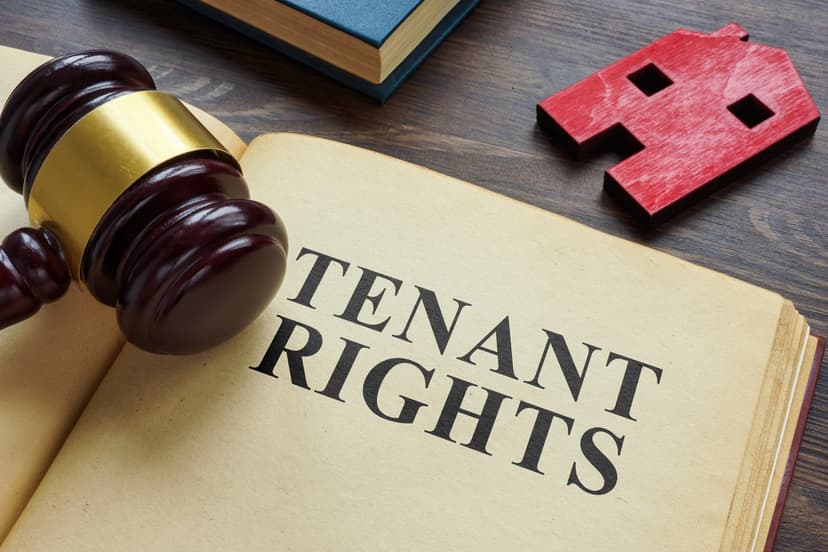
Finding a rental property in Ireland can feel like winning the lottery. After weeks of scrolling listings, arranging viewings, and competing with dozens of other applicants, it's tempting to sign a lease immediately and breathe a sigh of relief.
But before you put pen to paper, there's one thing every tenant should remember:
Understanding your rights is just as important as finding the right property.
Knowing where you stand can help you avoid disputes, protect your finances, and ensure a smoother rental experience from day one.
Your Lease Is More Than Just Paperwork
Many tenants view a lease agreement as a formality. In reality, it's a legally binding contract that outlines the rights and responsibilities of both tenant and landlord.
Before signing, make sure you understand:
- The monthly rent and payment terms
- How long the tenancy lasts
- Rules regarding deposits
- Maintenance responsibilities
- Notice periods for ending the tenancy
- Any restrictions within the property
If something seems unclear, ask questions. It's far better to clarify details before signing than to face surprises later.
Don't Assume Every Rent Increase Is Allowed
One of the biggest concerns for tenants is rent increases.
While landlords can review rents, there are regulations governing how and when increases may take place. Understanding these rules can help you determine whether a proposed increase is valid and whether the correct procedures have been followed.
The key takeaway?
Never assume you have no options.
If you're unsure about a rent increase, it's worth checking the current regulations before accepting it.
Your Deposit Matters
A rental deposit can represent a significant amount of money, especially in today's market.
To help protect yourself:
- Document the condition of the property when moving in
- Take photographs of any existing damage
- Keep records of correspondence with your landlord
- Retain proof of rent and deposit payments
These simple steps can prevent disagreements when it's time to move out.
Repairs and Maintenance: Who Is Responsible?
Not every maintenance issue is the tenant's responsibility.
Landlords are generally responsible for ensuring that a property remains safe, habitable, and compliant with legal standards. Tenants, meanwhile, are expected to look after the property and report issues promptly.
If a problem arises, communication is key.
Report issues quickly, keep records of all correspondence, and avoid letting minor problems become major ones.
Know the Proper Notice Periods
Whether you're planning to move or your landlord intends to end the tenancy, notice periods are an important part of the rental process.
Many disputes occur because tenants or landlords misunderstand their obligations.
Understanding the correct procedures can help both parties avoid unnecessary stress and ensure the tenancy ends fairly and professionally.
The Biggest Mistake Tenants Make
The most common mistake isn't failing to read the lease.
It's failing to ask questions.
Too often, tenants feel pressured to secure a property quickly and overlook important details. A few extra minutes spent reviewing documents and understanding your rights can save months of frustration later.
Knowledge Is Your Best Protection
Renting a home should be exciting, not stressful.
The more informed you are, the more confident you'll feel when dealing with leases, deposits, repairs, and rent reviews.
Remember, a good tenancy relationship is built on transparency, communication, and a clear understanding of responsibilities on both sides.
Before signing your next lease, take the time to understand your rights.
Because the best tenant isn't just the one who finds the perfect property.
It's the one who knows exactly where they stand.
- Understanding your rights is just as important as finding the right property.
- Your Lease Is More Than Just Paperwork
- Don't Assume Every Rent Increase Is Allowed
- Never assume you have no options.
- Repairs and Maintenance: Who Is Responsible?
- Know the Proper Notice Periods
- The Biggest Mistake Tenants Make
- Knowledge Is Your Best Protection
- It's the one who knows exactly where they stand.